

Therapy for First Responders in Denver, CO
Confidential, trauma-informed therapy for the people who run toward what everyone else runs from.
You've seen things most people will never have to see. You've made decisions in seconds that civilians get years to second-guess. You've held it together at calls that would break most people, gone home, and shown up for the next shift. The job asks more of you than almost any other line of work, and the toll it takes is real, even when you're high-functioning, even when nothing dramatic has happened recently, even when you tell yourself you're fine.
At Evergreen Psychology in Denver, therapy for first responders is offered with full understanding of the culture, the stakes, and the reasons most of you don't ask for help until you're already in deep. The work is confidential, practical, and grounded in evidence-based approaches that actually move the needle. No fluff, no judgment, no surprises about how the job works.
We work with:
Police officers and law enforcement
Firefighters and wildland firefighters
EMS, paramedics, and emergency dispatchers
Search and rescue personnel
Corrections officers
Military veterans and active reservists
Spouses and family members of first responders
We offer in-person and online sessions to clients throughout Colorado, including confidential scheduling outside of standard hours when possible.

Understanding the Toll of First Responder Work
First responder work isn't a series of bad days. It's exposure, repeated and accumulated, to events that would qualify as the worst day of a civilian's life. The brain and nervous system aren't designed to absorb that much, that often, without effects. Those effects can show up immediately, after a specific critical incident, or quietly over years of cumulative exposure.
Critical incident stress: A specific call or event that lands harder than usual. Sometimes it's the obvious one. Often it's not, and the reason it stuck takes time to figure out.
Cumulative trauma: The slow build of hundreds or thousands of exposures. No single incident is "the one," but the weight of all of them is real and shows up in sleep, mood, relationships, and how you feel in your own body.
Moral injury: The damage that comes from witnessing or being part of events that violate your sense of what's right, especially when you couldn't do anything to change the outcome. This is distinct from PTSD and often missed in standard treatment.
Hypervigilance bleeding into off-duty life: Scanning every room you walk into, sitting facing the door, tracking exits, struggling to be present with your family because part of you is still on shift. Useful at work, exhausting everywhere else.
Sleep disruption: Shift work, hyperarousal, and intrusive thoughts compound to wreck sleep, and sleep deprivation amplifies everything else.
Substance use as a coping tool: Alcohol, sometimes prescription medications, used to take the edge off, decompress, or sleep. Common, normalized, and often a sign that the underlying stress isn't being processed any other way.
Relationship strain: Emotional unavailability at home, irritability, difficulty being present, and the gap that grows between you and people who haven't seen what you've seen.
None of this means you're weak. It means you've been doing a job that costs something, and the cost has come due.
Our Approach to Therapy for First Responders
At Evergreen Psychology in Denver, therapy for first responders is delivered with cultural competence, clinical rigor, and a clear understanding that you're not a typical client.
Cultural Competence
We understand the job. The shift schedules, the chain of command, the culture around mental health, the realistic concerns about fitness for duty, and the gap between civilian life and what you actually do. You don't have to translate or explain why something matters.
Confidentiality You Can Trust
What happens in session stays in session, with the narrow exceptions every therapist is required to disclose (imminent harm to self or others, abuse of a minor or vulnerable adult). We talk through confidentiality clearly in the first session so you know exactly what's protected and what isn't.
Evidence-Based Trauma Work
We use approaches with strong research support for trauma and PTSD, including EMDR, Cognitive Processing Therapy, and trauma-focused CBT. The goal isn't to talk endlessly about hard calls. It's to actually process what got stuck so it stops controlling your present.
Pacing That Respects the Work
We don't dig into the worst calls in session one. We build stabilization first, identify what's actually driving the symptoms, and pace the deeper work so you stay functional at home and on shift. The goal is healing, not breaking you open and leaving you exposed.
Common Issues First Responders Bring to Therapy
Some of the most common presentations we see:

-
Flashbacks, intrusive memories, hypervigilance, emotional numbing, and avoidance tied to specific incidents or accumulated exposure.
-
A specific call that won't let go. The one you keep replaying, the one that changed something, the one your peers got past and you didn't.
-
Years of exposure without a real reset. Exhaustion, cynicism, loss of the meaning that used to drive the work, and questioning whether you can keep doing this.
-
Wrestling with calls where the outcome violated your sense of what's right, or where you had to act in ways that conflict with your values. Different from PTSD, requires different work.
-
Insomnia, fragmented sleep, nightmares, and the compounding effects of shift work on the nervous system.
-
Drinking to decompress, sleep, or quiet what's running underneath. Working toward sustainable coping that doesn't require chemistry to function.
-
Short fuse at home, road rage, blow-ups that feel bigger than the situation. Often a sign of nervous system dysregulation, not a character problem.
-
Emotional distance, difficulty being present at home, conflict with partners or kids, and the toll the job takes on the people closest to you.
-
Questions about retirement, career change, medical separation, or what comes next when the job that defines you starts to wind down.
-
First responders die by suicide at rates significantly higher than the general population. If this is part of what you're carrying, you're not alone, and it's exactly what therapy is for.

Signs Therapy Might Help
You may benefit from therapy if any of these patterns are familiar:
A specific call or incident keeps replaying, and you can't shake it
You're more irritable, on edge, or short-tempered than you used to be
You're drinking more than you want to, or relying on it to sleep or decompress
You feel emotionally numb, disconnected from people you love, or going through the motions
You're avoiding certain types of calls, locations, or situations that didn't used to bother you
Sleep is consistently bad, and not just because of shift work
Your partner or family has noticed changes and is asking you to get help
You've thought about getting help before and talked yourself out of it
You're approaching retirement or a transition and don't know who you are outside the job
You've had thoughts of suicide or feel like you can't keep doing this
If any of this lands, reaching out is not weakness. It's the same risk assessment and decisive action the job has trained you to take, applied to yourself. A consultation is confidential and no-pressure.
What to Expect in Therapy for First Responders
Initial Consultation
We start with a free 15-minute phone or video consultation. You can ask anything, including about confidentiality, fitness-for-duty concerns, and how this works without putting your career at risk. No pressure to schedule after the call.
History and Assessment
The first sessions focus on understanding your background, your career, current symptoms, and what's driving you to seek help now. We don't go straight to the worst calls. We build a full picture and identify what's actually stuck.
Stabilization First
Before any deep trauma work, we build the foundation: grounding skills, sleep work, nervous system regulation, and practical tools you can use on shift. You stay functional throughout. You don't have to choose between healing and keeping your job.
Trauma Processing
Once we're ready, we use evidence-based approaches like EMDR or Cognitive Processing Therapy to actually process the stuck material. This is where the meaningful shifts happen, and it goes faster than most people expect when the foundation is solid.
Ongoing Support and Integration
Therapy isn't forever, and we're not trying to make it forever. We work toward you having the tools, the processed material, and the perspective you need to keep doing the work without it eating you alive, or to transition out cleanly if that's where you're headed.
Online Sessions Throughout Colorado
For first responders outside Denver, on rotating shifts, or who prefer the privacy of doing the work from home, online therapy is available throughout Colorado. The work translates fully to a secure video format.

Why Choose Evergreen Psychology for First Responder Therapy in Denver
'
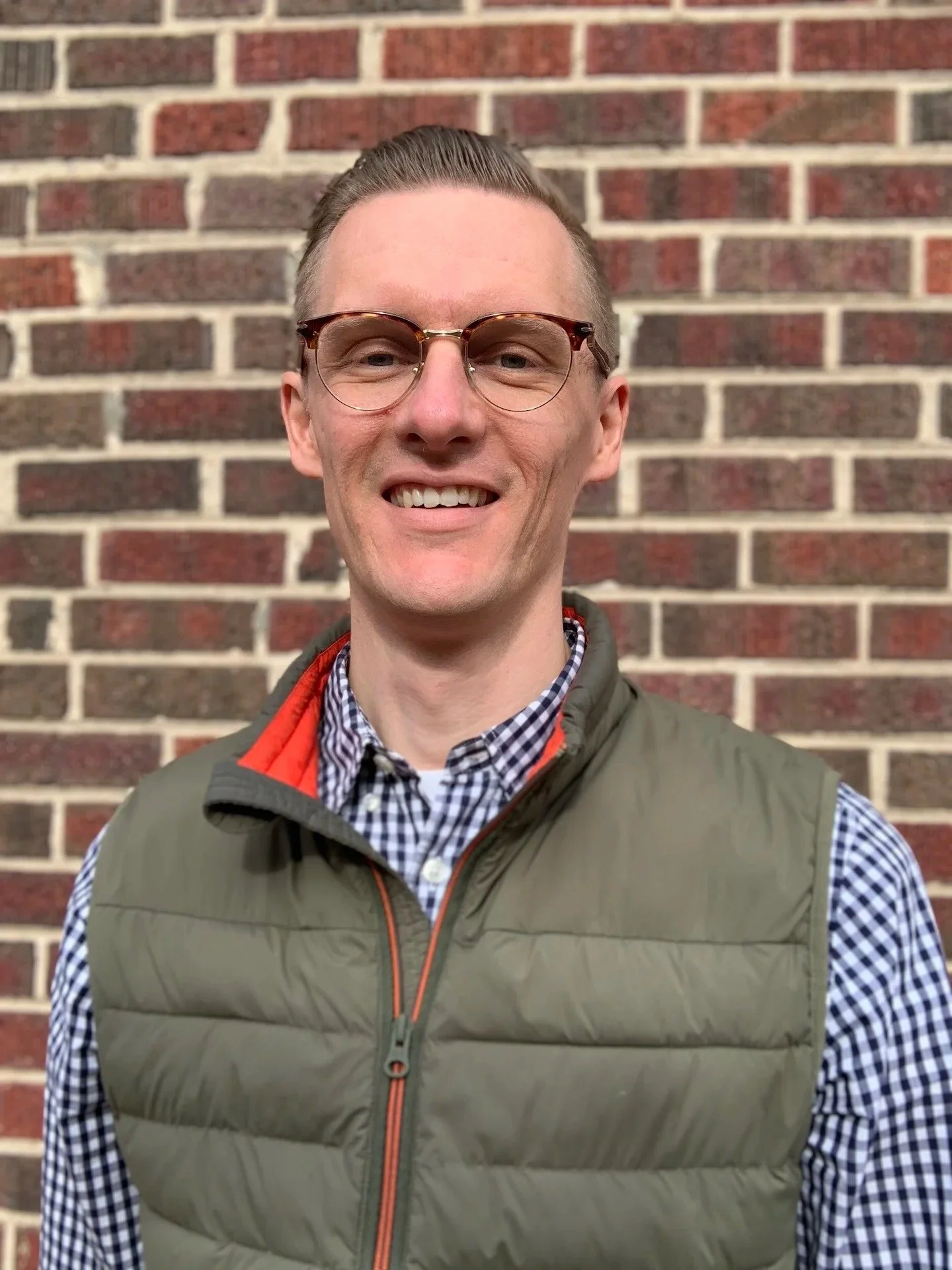
Therapy with a clinician who doesn't get the job creates a barrier before the work even starts. You spend half your energy explaining context, defending the realities of the work, or filtering what you say to avoid being misunderstood. Jeff Reznicek offers therapy grounded in evidence-based methods and a clear-eyed understanding of first responder culture, the realistic concerns about getting help, and the importance of confidentiality and respect.
We meet you exactly where you are, work at a pace that keeps you functional, and treat the work with the seriousness and discretion it deserves. You don't have to carry this alone, and you don't have to risk your career to get help.
Frequently Asked Questions About Therapy for First Responders
Will my department find out I'm in therapy?
No. What happens in session is confidential. We don't report to your department, your union, or your chain of command. The narrow exceptions are the same as for any therapy client (imminent harm to self or others, abuse of a minor or vulnerable adult), and we'll walk through those in detail in the first session.
Will this affect my fitness for duty?
Voluntarily seeking therapy is not the same as a fitness-for-duty evaluation, and we are not providing one. Many departments now actively encourage proactive mental health care precisely because untreated symptoms are what create fitness-for-duty issues down the line. We can talk through any specific concerns in the consultation.
Do I have to talk about the worst calls in the first session?
No. We don't go there until you have the foundation to handle it, and we never go there without a clinical reason. Plenty of meaningful work happens before any deep trauma processing.
I'm not sure I have PTSD. Should I still come?
Yes. You don't need a diagnosis to benefit from therapy. Cumulative stress, sleep issues, irritability, relationship strain, and emotional numbness are all worth addressing, with or without a formal PTSD diagnosis.
What if I don't want to do EMDR or "talk about feelings"?
That's fine. EMDR is one option, not the only one. Plenty of effective trauma work is practical, skills-based, and focused on what you actually want to change. We'll talk through what fits and what doesn't.
Do you work with spouses and family members of first responders?
Yes. The job affects the whole household, and partners or family members are welcome to come in for their own support or for couples sessions.
Can I schedule around my shifts?
We try to accommodate shift work and rotating schedules as much as possible, including online sessions and some availability outside standard hours. We'll work out something that fits your rotation.
What about military veterans?
Yes. Veterans, reservists, and former military are welcome. Much of the same framework applies, with adjustments for the specific context of military service versus civilian first responder work.
Related Specialties
Get in touch.
Complete and submit a Contact form to let me know you’re interested. Also, if desired, I offer a complementary 15-min phone or Zoom call to discuss your situation and answer any questions you may have.