
First Responders and Military
The weight of service is heavy. Using trauma-informed cognitive behavioral treatment, we help you carry that weight with strength and dignity.
At Evergreen Psychology, we provide cognitive behavioral therapy (CBT) and emotionally focused therapy (EFT/EFFT) tailored to the needs of first responders and military families. CBT helps untangle the thought patterns that fuel stress, while EFT strengthens emotional bonds and provides tools for reconnecting with loved ones.
Therapy can help you:
Manage post-traumatic stress, nightmares, and hypervigilance
Cope with the pressures of shift work, deployments, and transitions
Build resilience without shutting down emotionally
Strengthen connection with spouses, children, and teammates
You’ve spent years serving others—therapy offers a space where you can be supported, strengthened, and understood. Healing is not weakness. It’s preparation for what comes next.

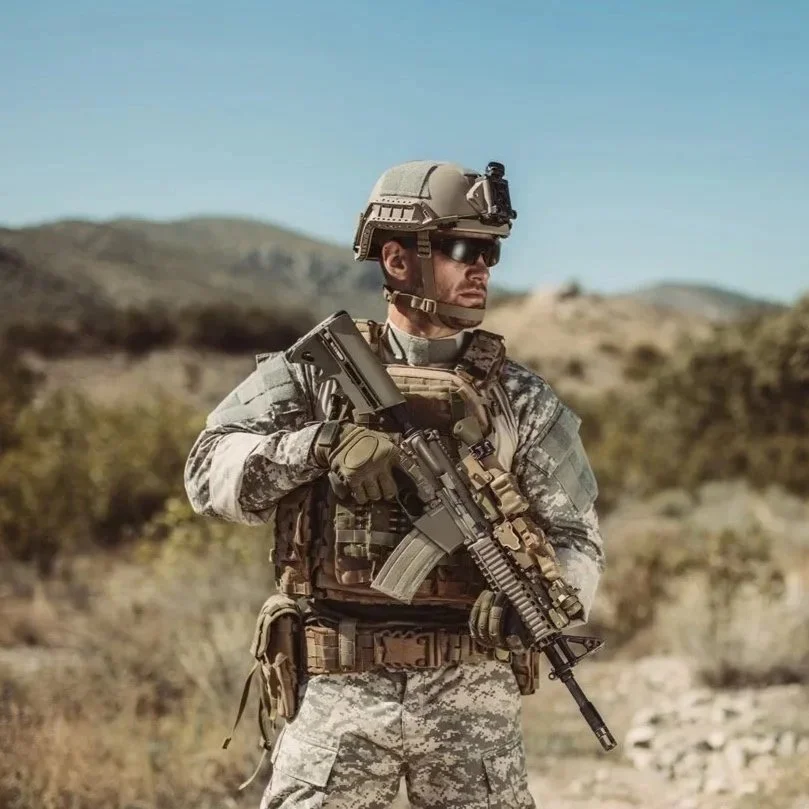
How We Support First Responders and Military in Denver
At Evergreen Psychology, we work with first responders, service members, and their families across the Denver metro. From our office in Denver's Highlands neighborhood and through secure online sessions across Colorado, we provide trauma-informed care built around the realities of a life of service.
Managing Trauma, Nightmares, and Hypervigilance
Repeated exposure to critical incidents leaves a mark on the nervous system. We use trauma-informed approaches to help you process what you've carried and quiet a system stuck on high alert. Learn more about our trauma therapy.
Coping with Shift Work, Deployments, and Stress
Irregular schedules, time away, and relentless pressure wear people down over time. We help you build sustainable ways to manage the stress and exhaustion that come with the job, including support for burnout and chronic stress.
Reconnecting with Family and Teammates
The work can make it hard to come home and be present. We help you rebuild emotional connection with the people who matter most, drawing on our marriage and couples counseling.
Frequently Asked Questions
Is what I share in therapy confidential, even from my department or command?
Yes. What you share in therapy is protected by law and kept confidential, with narrow exceptions that your therapist will explain clearly (such as imminent risk of harm). Routine therapy for stress, trauma, or relationship concerns is private and is not reported to your department, command, or employer.
Will going to therapy affect my career or fitness for duty?
Seeking therapy on your own for stress, trauma, or family concerns is generally separate from formal fitness-for-duty evaluations, which are a different, employer-initiated process. Many first responders and service members use therapy precisely so they can keep performing at a high level. If you have specific concerns about your department's policies, we're glad to talk them through.
Do I need to work with someone who has served to be understood?
Not necessarily. What matters most is working with someone who understands the culture, the kinds of stress the work creates, and how trauma operates, and who treats your experience with respect. We provide trauma-informed care built around the specific pressures first responders and military families face.
Get in touch.
Complete and submit a Contact form to let me know you’re interested. Also, if desired, I offer a complementary 15-min phone or zoom call to discuss your situation and answer any questions you may have.